Designing Your Third Place: A Practical Guide to Hosting and Relaxing
Your third place is the spot outside home and work where meaningful interactions and restorative downtime happen. Whether a corner of your living room, a backyard patio, or a shared building lounge, crafting it intentionally boosts connection, comfort, and usability.
- Define purpose first — hosting, quiet retreat, or multi-use social hub.
- Design zones for conversation, relaxation, and service flow.
- Pick durable, comfortable, flexible furniture and optimize lighting and acoustics.
- Stock hospitality basics, set routines and boundaries, and streamline cleanup.
- Use the implementation checklist to launch your third place this weekend.
Define your third-place purpose
Start by naming the primary role this space will serve: casual hangout, game night hub, quiet reading room that occasionally hosts friends, or a hybrid social/work area. A clear purpose guides layout, furniture choices, storage needs, and rules.
Ask these quick questions:
- Who will use the space most often (friends, neighbors, family, coworkers)?
- What activities are common (conversation, meals, work, games, watching media)?
- How frequently will you host and for how many people?
Example outcomes: a “weekend brunch nook” needs a service surface and seating for 6, while a “quiet communal lounge” prioritizes sound control and soft lighting for reading and low-key chats.
Quick answer
Design your third place by deciding its primary purpose, zoning for hosting and relaxation, choosing hardwearing flexible furniture, optimizing light and sound, planning storage and clear traffic flow, stocking hospitality essentials, and setting routines and boundaries so social moments are easy and cleanup stays simple.
Zone the space for hosting and relaxation
Zoning splits the room into purposeful areas that work together: a conversation cluster, a relaxation niche, a service/prep zone, and clear circulation paths.
- Conversation cluster: arrange seating in a semi-circle facing each other; keep coffee table height within 40–45cm of seats.
- Relaxation niche: include one or two loungers or a small sofa with soft lighting and a side table.
- Service zone: set a dedicated surface for drinks/snacks away from primary seating to avoid spills.
- Circulation: maintain 60–90cm walkways for easy movement and wheelchair accessibility if needed.
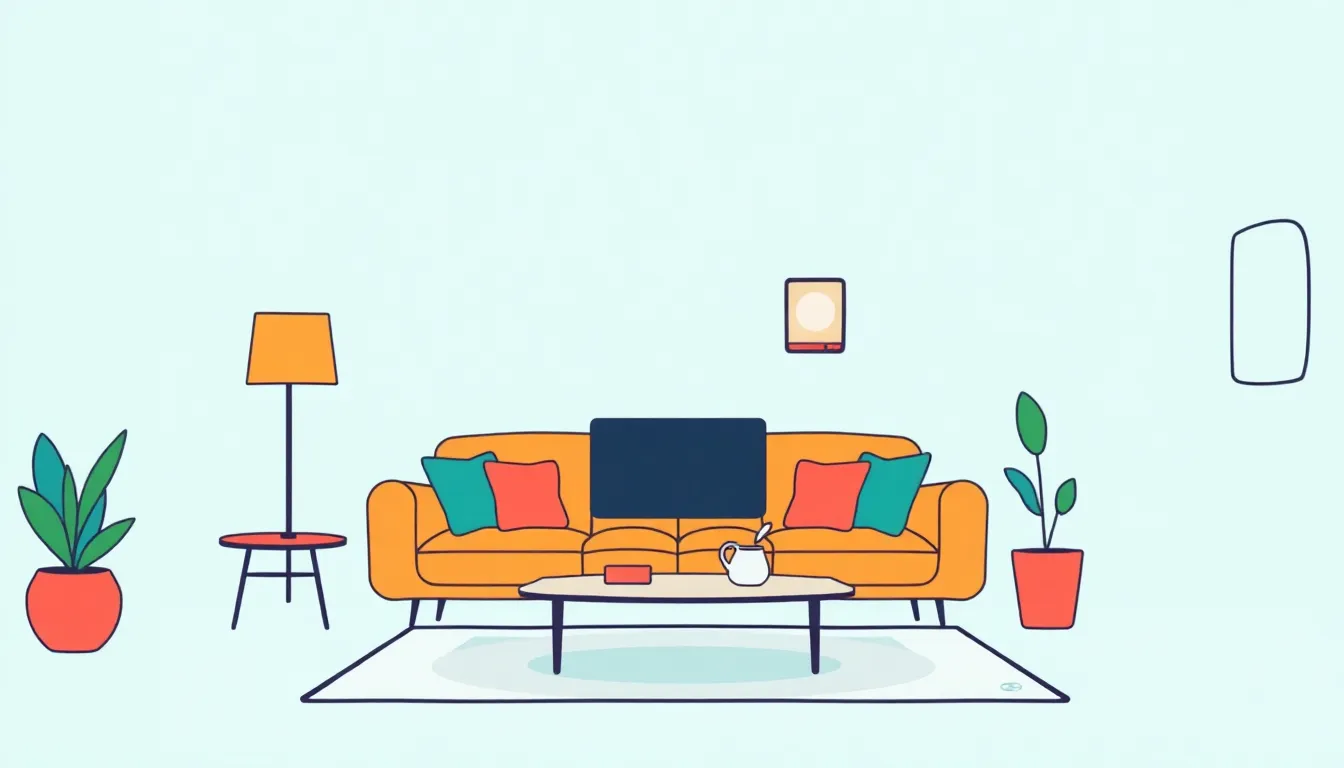
Visual: imagine an L-shaped room with seating at the center, a buffet against one wall, and a quiet corner with a reading lamp — each use visible but not conflicting.
Choose durable, comfortable, and flexible furniture
Furniture must handle frequent use while staying comfortable. Prioritize pieces that are washable, modular, and easy to move.
- Sofas and chairs: opt for performance fabrics (stain-resistant, fade-resistant) and removable cushion covers.
- Modular seating: benches, ottomans, and sectional pieces allow reconfiguration for different group sizes.
- Tables: choose a sturdy coffee table plus at least one lightweight side table that can be moved for serving.
- Multipurpose pieces: use storage benches, nesting tables, or foldable dining options to expand capacity when hosting.
| Need | Best choice | Why |
|---|---|---|
| Frequent guests | Modular sectional + ottomans | Flexible seating for varying party sizes |
| Small footprint | Nesting tables + foldable chairs | Expandable when needed, compact when not |
| Low maintenance | Performance fabric sofas | Easy to clean, durable |
Optimize lighting, acoustics, and temperature
Good ambiance combines layered lighting, controlled sound, and comfortable temperature to fit day and night use.
- Lighting layers: ambient (overhead or wall), task (reading lamps, pendant over service area), and accent (LED strips or small spotlights).
- Dimmers and smart bulbs let you shift scenes for conversation, games, or reading.
- Acoustics: rugs, wall textiles, bookcases, and hanging panels reduce echo and keep conversations private.
- Temperature: provide localized control — fan, small heater, or zoned HVAC — and blankets for colder seasons.
Example setup: dimmable overhead + two floor lamps near seating + soft rug underfoot improves both light quality and acoustics for a 4–8 person space.
Plan storage, surfaces, and traffic flow
Storage and surfaces make hosting effortless: dedicated spots for serving ware, clear counters, and uncluttered aisles prevent friction during gatherings.
- Open shelving for frequently used items; concealed cabinets for overflow and valuables.
- Counter or buffet at serving height (90–95cm) simplifies plating and clearing.
- Keep primary circulation paths at least 60cm wide; place high-traffic furniture away from door swings.
- Use baskets and labeled bins for throw blankets, chargers, games, and extra napkins.
| Surface | Height (cm) |
|---|---|
| Coffee table | 40–45 |
| Side table | 50–65 |
| Buffet/serving surface | 90–95 |
Stock hospitality essentials and easy serving solutions
Keep basics accessible so impromptu hosting feels seamless: beverage station, multipurpose serveware, and quick-clean items.
- Beverage station: insulated carafe, pitcher, spare glasses, corkscrew, and ice bucket grouped on a tray.
- Serveware: large platter, stackable bowls, tiered stands, and one easy-to-clean tablecloth or runner.
- Disposable-friendly kit: compostable plates/cutlery and cloth napkins for lower waste and easy cleanup.
- Cleaning kit: microfiber cloths, stain spray, small broom, and portable caddy for fast tidying.
Tip: keep a labeled “host drawer” with spare batteries, matches/lighter, phone charger, and a small first-aid kit.
Set hosting routines, boundaries, and cleanup systems
Routines reduce stress: a simple pre-host checklist, defined quiet hours, and a post-event cleanup plan keep the space inviting and respectful.
- Pre-host checklist (30–60 minutes): clear surfaces, set beverage station, arrange seating, set lighting scene.
- Boundaries: post or communicate guest limits, smoking policy, pet rules, and noise curfew if needed.
- Cleanup system: use a three-bin approach — recyclables, compost, and trash — and keep labeled bins visible.
- Shared spaces: rotate hosting responsibilities and supply restocking if the third place is communal.
Concrete routine: for a 6pm gathering, prep at 5–5:30pm, put out a beverage tray and snacks at 5:45pm, and schedule 20 minutes of shared cleanup immediately after to restore the zone.
Common pitfalls and how to avoid them
- Pitfall: Overcrowded furniture — Remedy: measure and maintain 60–90cm circulation; use folding seats for extra guests.
- Pitfall: Poor acoustics making conversation tiring — Remedy: add rug, curtains, or wall bookshelves to absorb sound.
- Pitfall: Insufficient service surfaces — Remedy: include at least one buffet or cart; use nesting tables during peak use.
- Pitfall: Lighting that’s too bright or too dim — Remedy: install dimmers and keep multiple light sources per zone.
- Pitfall: No clear cleanup plan leading to mess — Remedy: set a 15–30 minute post-event tidy routine and keep cleaning kit handy.
Implementation checklist
- Define primary purpose and audience for the space.
- Plan zones: conversation, relaxation, service, circulation.
- Select durable, modular furniture with washable fabrics.
- Install layered lighting and add acoustic softeners.
- Create storage for host items and labeled bins.
- Assemble hospitality kit and quick-clean caddy.
- Document hosting checklist and communicate boundaries.
FAQ
- How big should a third place be?
- Size depends on purpose; for 4–6 people aim for 12–20 m² to allow seating clusters and a service area while keeping comfortable circulation.
- What furniture is essential for a small space?
- Prioritize a comfortable sofa or modular seating, at least one movable side table, and a compact serving cart or nestable tables.
- How do I make hosting low-effort?
- Prepare a permanent beverage station, keep serveware organized, set a 30-minute pre-host routine, and use easy-clean textiles.
- Can a third place serve work and social functions?
- Yes—use zoning and flexible furniture (folding desks, modular seating), and set boundary rules for noise and availability during work hours.
- How do I maintain cleanliness between guests?
- Wipe high-touch surfaces, refresh soft textiles if needed, empty visible trash, and keep a small cleaning kit for quick touch-ups.